
Why Am I Still Bloated After My Period?

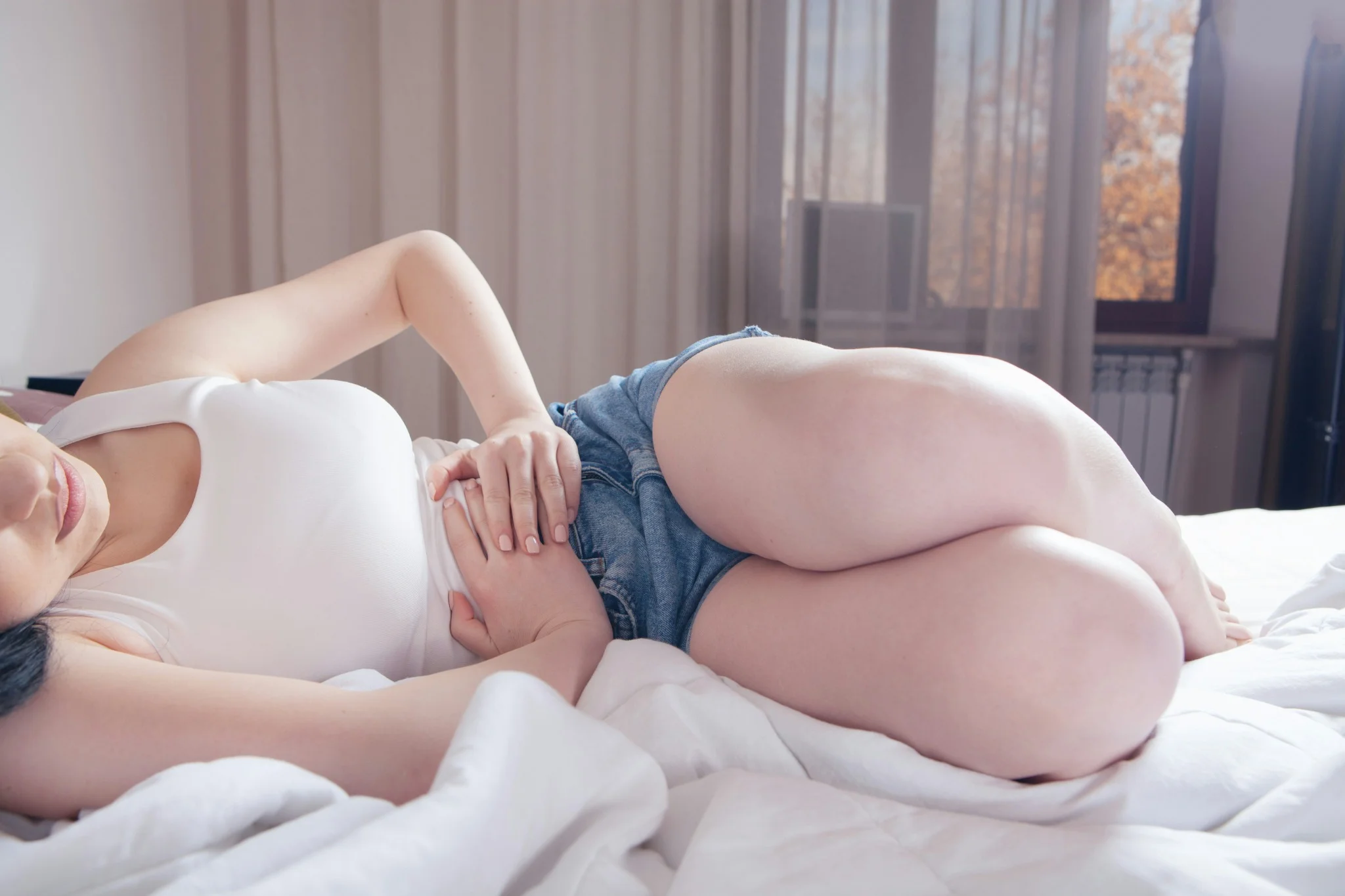
You’ve made it through your period, but that familiar, puffy feeling is still hanging around. Your jeans feel snug, your stomach feels heavy, and you’re wondering, “Why am I still bloated after my period?”
You’re not alone. Post-period bloating is a frustrating and surprisingly common issue. Many people expect bloating to ease as soon as their flow stops, only to be left with lingering discomfort for days.
In this article, we’ll dive into the reasons behind post-period bloating, the hormonal changes that keep your body feeling off balance, and practical, natural ways to get relief.
What Causes Bloating After Your Period Ends?
Bloating is one of the most common PMS and period symptoms, but for some people, it doesn’t go away once bleeding stops. To understand why, let’s look at what’s happening inside your body.
Hormonal Imbalances
Your menstrual cycle is governed by shifting hormone levels, primarily estrogen and progesterone. Before and during your period, progesterone levels spike and then fall sharply. This swing can affect how your body regulates fluid and salt balance, often leading to water retention.
Even after your period, it can take a few days for your hormones to stabilize, leaving you with that “swollen” feeling in your belly, breasts, or even fingers.
The Prostaglandin Effect
Prostaglandins are hormone-like compounds that trigger uterine contractions to help shed the uterine lining. They’re a major reason for menstrual cramps, but they also affect your digestive system. High prostaglandin levels can cause inflammation, digestive upset, and even diarrhea in some cases.
When prostaglandins linger after your period, they can slow digestion or cause excess gas, both of which make bloating worse.
Digestive Slowdown
Hormonal fluctuations can directly impact your gut motility—the movement of food through your digestive tract. When digestion slows, food sits longer in your system, causing gas buildup, constipation, and abdominal pressure.
This hormonal gut-brain connection is why many people experience not only bloating but also changes in appetite, cravings, and bowel habits around their periods.
10 Ways to Reduce Bloating After a Period
The good news is, there are simple, natural ways to support your body and minimize bloating once your cycle ends. Here are ten expert-approved tips you can start today.
1. Focus on Potassium-Rich Foods
Foods high in potassium help balance sodium levels in your body and reduce water retention. Great options include:
- Bananas
- Avocados
- Spinach and kale
- Sweet potatoes
These foods act as natural diuretics, helping your body flush out excess fluid and feel lighter.
2. Limit Salty and Processed Foods
Excess sodium is one of the biggest culprits behind bloating. Chips, fast food, deli meats, and packaged snacks can all make your body hold onto water. Try cooking fresh meals with herbs and spices instead of salt.
3. Stay Hydrated
It may feel counterintuitive, but drinking more water actually reduces bloating. When you’re dehydrated, your body clings to every drop, worsening water retention. Aim for at least 8–10 cups of water daily, and add hydrating foods like cucumbers or watermelon for an extra boost.
4. Try Herbal Teas
Certain herbal teas have natural anti-inflammatory and digestive benefits. Peppermint tea can relax intestinal muscles, while ginger tea supports digestion and reduces gas. Chamomile tea may also calm the nervous system, which can help reduce stress-induced bloating.
5. Get Gentle Movement
You don’t need to hit the gym hard—sometimes a brisk walk or a gentle yoga flow is enough. Movement stimulates digestion, relieves trapped gas, and improves circulation, all of which can reduce that bloated feeling.
Yoga poses like wind-relieving pose (pawanmuktasana) or child’s pose can be especially helpful for easing abdominal pressure.
6. Practice Mindful Eating
When you eat quickly or in large portions, you swallow more air and put extra strain on digestion. Try these mindful eating practices:
- Eat smaller, more frequent meals
- Chew food thoroughly
- Avoid talking while chewing
- Sit upright instead of lying down after meals
These small changes can prevent bloating and support smoother digestion.
7. Cut Back on Carbonated Drinks
Soda, sparkling water, and beer all introduce gas into your digestive tract, which can lead to uncomfortable bloating. Opt for still water or herbal tea instead.
8. Add Magnesium-Rich Foods
Magnesium supports muscle relaxation, including the muscles in your digestive tract. Foods like almonds, dark chocolate, pumpkin seeds, and leafy greens can ease constipation and help reduce bloating.
9. Manage Stress Levels
Stress isn’t just mental—it affects your gut too. High stress levels can alter digestion and worsen bloating. Incorporating relaxation practices such as meditation, deep breathing, or journaling may help regulate your body and reduce symptoms.
10. Consider Your Period Product
Believe it or not, the type of period product you use can affect how comfortable you feel during and after your cycle. Let’s break down why.
Can Period Products Cause Bloating or Discomfort?
For some people, tampons or certain menstrual cups can contribute to bloating or discomfort. This can happen when a product puts extra pressure on the vaginal canal or pelvic floor muscles. The sensation may not directly cause water retention, but it can heighten the perception of abdominal pressure.
That’s where our NEYA Menstrual Disc & Applicator comes in.
Unlike tampons or cups that sit lower in the vaginal canal, a disc rests higher, right below the cervix. This placement means less physical pressure and more freedom of movement. The design can help reduce that “heavy” feeling some people associate with internal products, especially during the days when your body is already feeling bloated.
One of the biggest challenges with discs has always been insertion. That’s why the NEYA menstrual disc applicator is a game-changer. Designed by a women’s health nurse practitioner, the applicator makes disc insertion simple, clean, and consistent.
When insertion is easy, you experience less stress and less tension in the pelvic area. This comfort can indirectly reduce bloating by helping your body stay relaxed rather than clenched or strained.
Together, the NEYA disc and applicator provide a more comfortable, empowering alternative to traditional products … helping you focus less on discomfort and more on living your life.
When to See a Doctor
Occasional bloating is normal, but if your symptoms are persistent, severe, or accompanied by other red flags, it’s important to seek medical guidance.
You should consult a healthcare professional if you experience:
- Bloating that doesn’t improve with diet or lifestyle changes
- Severe abdominal pain
- Unexplained weight loss
- Blood in stool or urine
- Ongoing digestive changes unrelated to your period
These symptoms may indicate underlying conditions such as IBS, endometriosis, or ovarian issues that require medical evaluation.
Final Thoughts
Bloating after your period is common, often driven by lingering hormonal shifts, prostaglandins, and temporary digestive slowdown. While it can feel frustrating, simple lifestyle changes—from staying hydrated to practicing mindful eating—can make a big difference.
Your choice of period product also matters. By switching to a comfortable, high-placement option like the NEYA Menstrual Disc, paired with its disc applicator, you can reduce unnecessary pressure and stress, giving your body the chance to truly recover after your cycle.
Taking care of your body before, during, and after your period sets the foundation for better comfort and overall well-being.